








Imagine displaying crystal-clear images of a hidden cavity right in front of your patient, turning a vague explanation into a compelling visual demonstration that boosts treatment acceptance. A dental intraoral camera makes this possible, revolutionising patient communication in UK practices.
What is an Intraoral Camera?
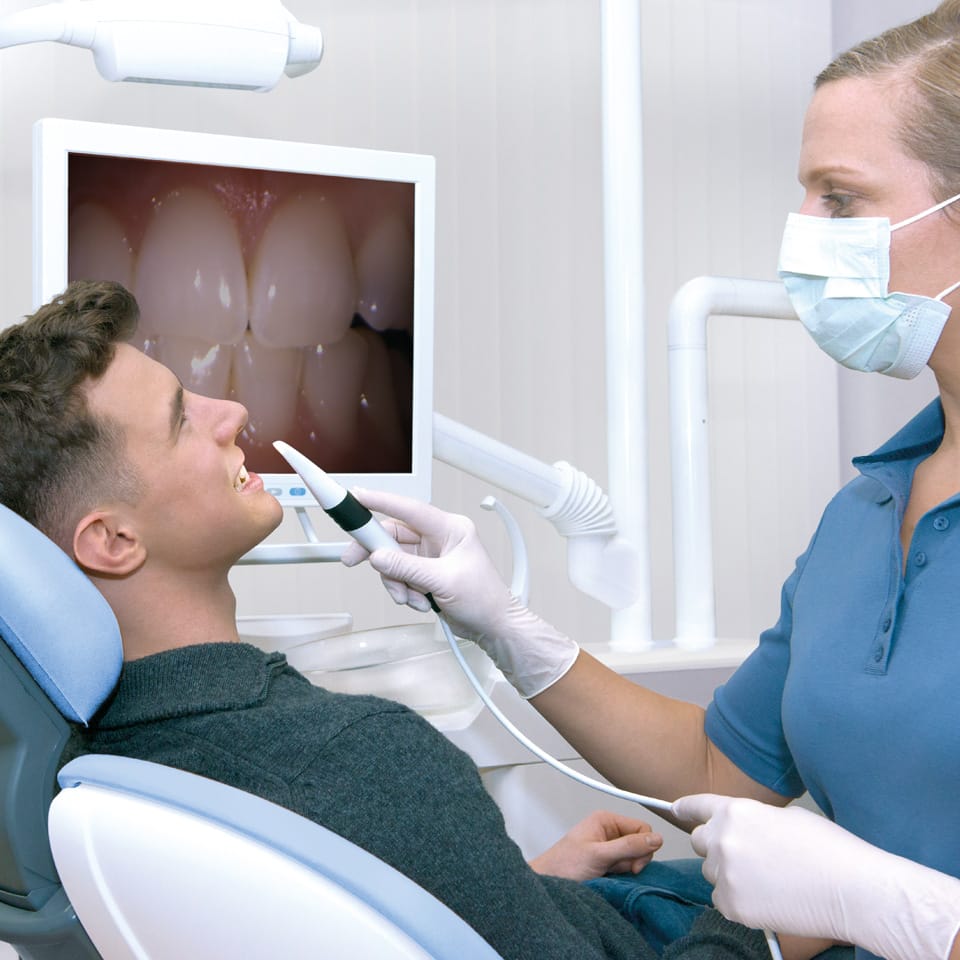
The unit is a small, wand-like device with a tiny camera head that fits comfortably inside a patient’s mouth to produce high-resolution photos and videos of teeth, gums, and soft tissues. It connects to a computer or monitor, displaying real-time images that help detect issues such as plaque, cracks, or early caries. An intraoral camera lets dentists show patients exactly what’s happening, fostering trust and informed decisions.
How Intraoral Cameras Transform Dentistry
These cameras improve consultations by letting you illustrate treatment plans on-screen, making abstract problems tangible. Patients see gum disease or fractured fillings personally, improving their comprehension and compliance.
Key Performance Criteria for These Cameras
For the best camera, prioritise these essentials:
- Image resolution: High-definition imaging for viewing sharp details on large monitors
- Autofocus: Autofocus or fixed-focus optics for quick, clear images without adjustments
- Lighting: White-light and fluorescence-based illumination to support conventional imaging and advanced diagnostic assessment
- Image capture speed: Instant via handpiece buttons with tactile feedback
- Integration: Plug-and-play USB connectivity with integration into compatible imaging and practice software
The Durr VistaCam excels here with interchangeable heads for conventional and fluorescence imaging, while the Acteon SoproCare combines high-definition imaging with specialised white-light and fluorescence modes for caries and periodontal assessment.
Wired vs Wireless: Pros and Cons
When choosing an intraoral camera for UK practices, wired models such as the Durr VistaCam and Acteon SoproCare provide reliable USB connectivity, stable power, and consistent performance without the need to manage batteries. This makes them particularly well suited to busy NHS and private practices where dependable image capture and low latency are essential.
Wireless intraoral cameras offer greater freedom of movement, but they may be more susceptible to interference in clinics with multiple Wi-Fi-enabled devices. For most UK dental surgeries, high-quality wired systems offer an excellent balance of reliability, image quality, and seamless software integration.
Integration with Practice Workflows
The cameras connect via USB to imaging software and patient screens, allowing images to be stored alongside CBCT scans and digital X-ray systems in patient records for unified workflows. For example, Durr’s software enables one-click image capture and plug-and-play functionality, while the Acteon SoproCare integrates with compatible imaging software to store high-definition and fluorescence images directly in patient records.
Leading Intraoral Camera Options for UK Practices
| Feature | Durr VistaCam IX HD Smart | Acteon SoproCare |
|---|---|---|
| Resolution | HD 1280 × 1024 | High-definition imaging |
| Heads/Lighting | Interchangeable heads (Cam, Proof, Proxi), 6 LEDs | White-light and fluorescence imaging with integrated LEDs |
| Autofocus | Yes | Fixed-focus optical system |
| Integration | USB, Windows plug-and-play | USB integration with compatible imaging software |
| Weight/Ergonomics | 70 g, motion sensor | Lightweight, ergonomic handpiece |
FAQ: Intraoral Cameras in UK Dentistry
Do I need an intraoral camera for NHS dentistry?
Yes. These tools enhance diagnostics and patient education, aligning with GDC standards for clear communication, without mandating specific models.
What software is compatible with these cameras?
Most use standard Windows drivers. Durr integrates with major UK practice management and imaging systems, while the Acteon SoproCare is compatible with Acteon and other supported imaging software platforms.
How do I clean my camera between patients?
Wipe protective glass lenses with alcohol wipes or according to the manufacturer’s guidelines. Durable design withstands daily disinfection.
Elevate your practice today with Hague Dental. Enquire about the best intraoral camera for your needs and watch patient satisfaction soar.