











Digital dentistry is no longer an optional extra; it is the route to faster diagnosis, smoother workflows, and better patient understanding. For UK dentists and practice managers, the question is not whether to adopt it, but when.
What Digital Dentistry Means
In practice, digital dental technology means moving from analogue steps to computer-led ones across imaging, records, treatment planning and communication. It covers 2D and 3D imaging, intraoral scanning, CAD/CAM design, milling, and digital record-keeping.
The main benefit of digital dentistry is control: fewer manual errors, quicker access to data, and easier collaboration with patients and labs, while supporting a paperless dental practice through digital consent, stored photos, and rapid record retrieval.
Digital Workflow in Practice
A practical digital dentistry workflow typically runs from intraoral scanning to CAD/CAM dental design, then to in-house milling or a digital lab, and finally to fitting and patient review. Hague Dental’s offerings highlight how intraoral scanners replace traditional impressions and send data directly to design software or a lab. Chair time and remakes are reduced, resulting in a more efficient process for the patient.
Imaging from Film to CBCT
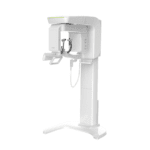
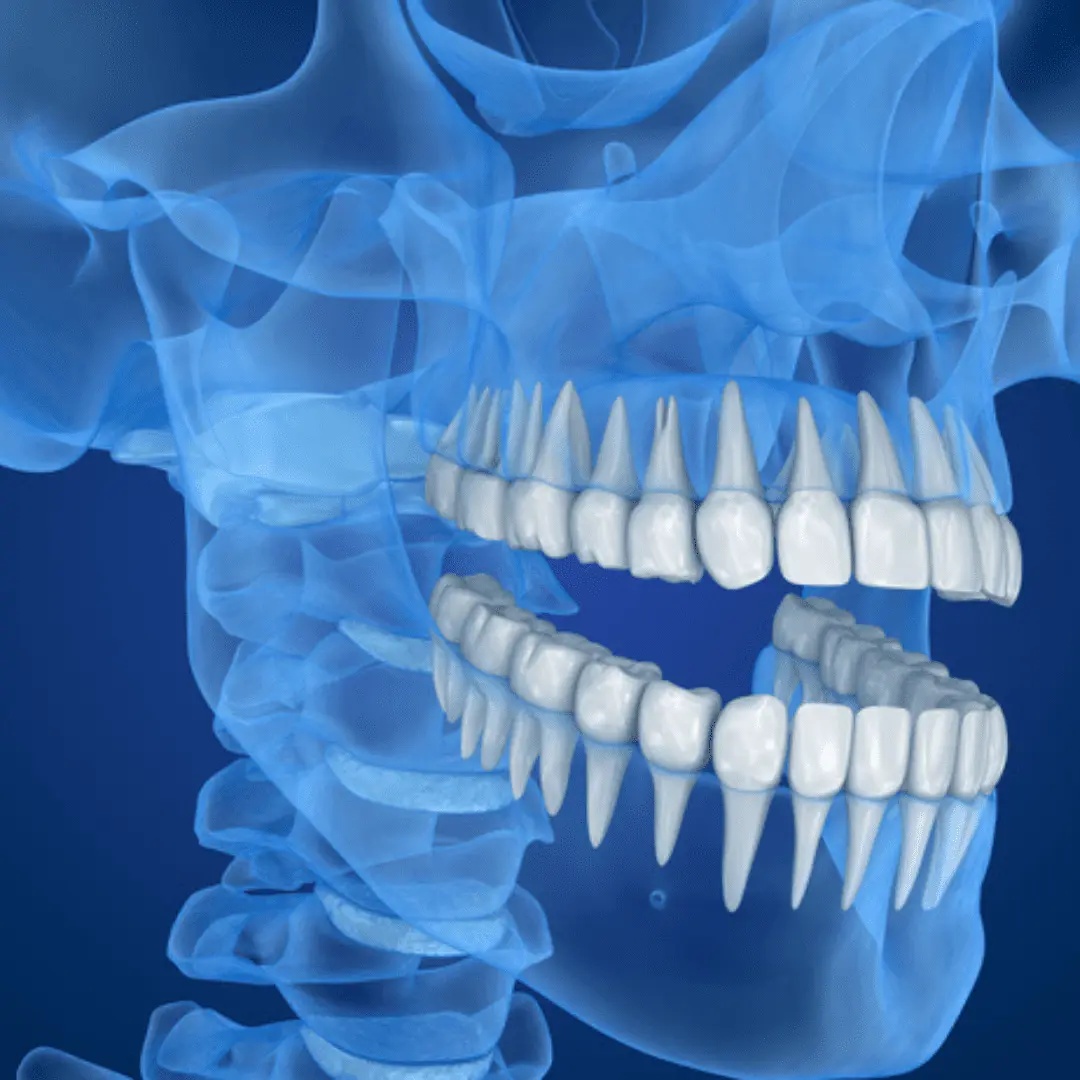
Imaging has evolved, first from wet film to PSP systems, then to direct digital dental technology sensors, and finally to CBCT. Intra-oral X-rays can reduce radiation exposure by 50% to 80% compared to film, while CBCT provides detailed 3D views of teeth, bone, and nerves for implant and endodontic planning.
A PSP scanner, like the Durr VistaScan-style plate reader, sits between film and a direct sensor: it uses reusable plates and scans them digitally. A digital sensor provides an immediate chairside image with faster turnaround, while CBCT offers the most comprehensive anatomical information for complex cases.
Patient Communication Tools
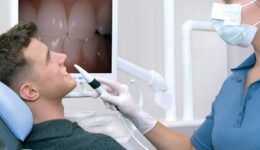
For treatment plans, showing always beats telling. Intraoral cameras, digital scans, and treatment simulation software help patients see problems and expected outcomes in a way mere words cannot. This is especially useful for cosmetic and restorative cases and implant planning, where patients want to understand both the process and the result before consenting.
Investment and NHS Realities
The smartest way to adopt digital dentistry in the UK is usually in phases. Start with imaging, then scanning, then CAD/CAM or lab integration, and finally broader practice software integration. Hague Dental stresses matching the investment to the practice layout, budget, and service support.
For NHS practices, digital dentistry still makes sense if the upgrade reduces retakes, improves record-keeping, and supports mixed private treatments. The clinical gains are real, but the financial return is often strongest where digital systems help with private restorative, implant, or aesthetic work.
Frequently Asked Questions
What does going digital mean for my dental practice?
It replaces manual steps with imaging, scanning, storage, and treatment-planning systems, saving time and improving consistency.
Do I need to upgrade all at once?
No, a phased rollout is usually safer and easier on cash flow.
What is the difference between a PSP scanner and a digital sensor?
A PSP scanner reads reusable plates after exposure, while a direct sensor displays images immediately.
How does dental digital imaging reduce radiation dose?
Modern sensors and CBCT units are designed to capture high-quality images with lower exposure and fewer retakes than film-based systems.