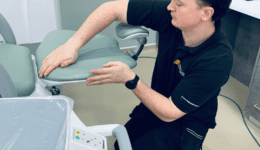











Just as plumbers and mechanics must ensure their tools are fit for the job, dental practitioners must arrange regular dental equipment maintenance in the UK. Caring for their equipment is a legal obligation of the Care Quality Commission (CQC), as documented in the Health Memorandum HTM 01-05.
When performing autoclave validation and compressor servicing, engineers must comply with the standards detailed in the following sections.
Statutory Requirements for Autoclave and Washer-Disinfector Validation
Autoclaving is a sterilisation process that ensures all dental instruments are clean and free of pathogens, and is vital for patient safety. Consequently, autoclave validation is a key requirement of dental equipment maintenance in the UK. It involves:
- Measuring the temperature and pressure of the steam during operation
- Confirming the required values are attained
- Checking control and safety features
Washer-disinfectors perform a similar function but utilise heat at atmospheric pressure and chemical detergents and disinfectants prior to the more stringent procedure of autoclaving. HTM 01-05-compliant validation involves:
- Measuring process temperature during the washer disinfector cleaning and disinfection cycles.
- Confirming that the disinfectant used in the washer disinfector is effective against specific microorganisms.
- Documenting the results of the validation tests as per HTM 01-05.
Dental equipment servicing schedules recommend that autoclave and washer-disinfector validation be performed as recommended by the manufacturer.
Dental Compressor Servicing
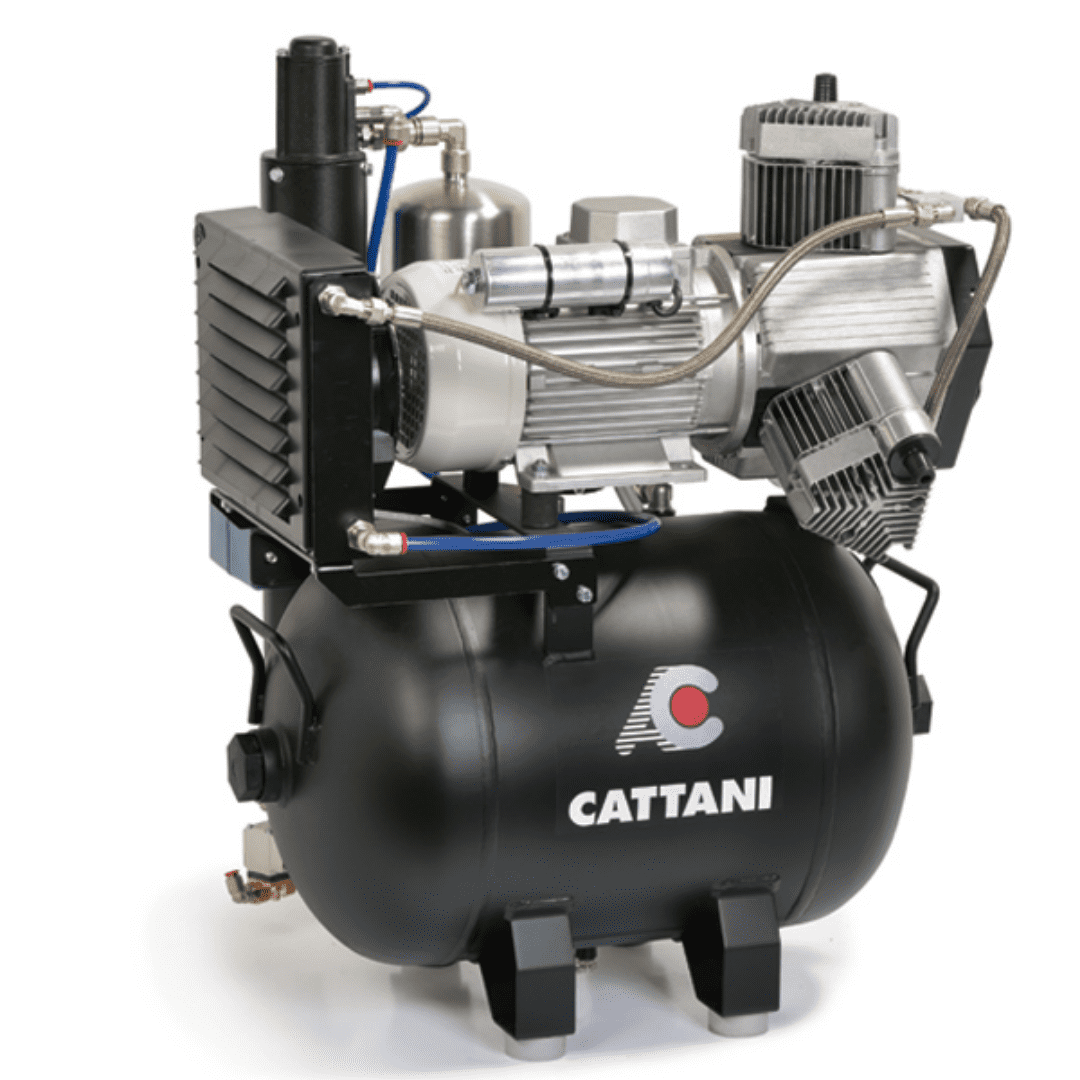
Often referred to as a Pressure System Inspection (PSI), dental air compressor servicing involves:
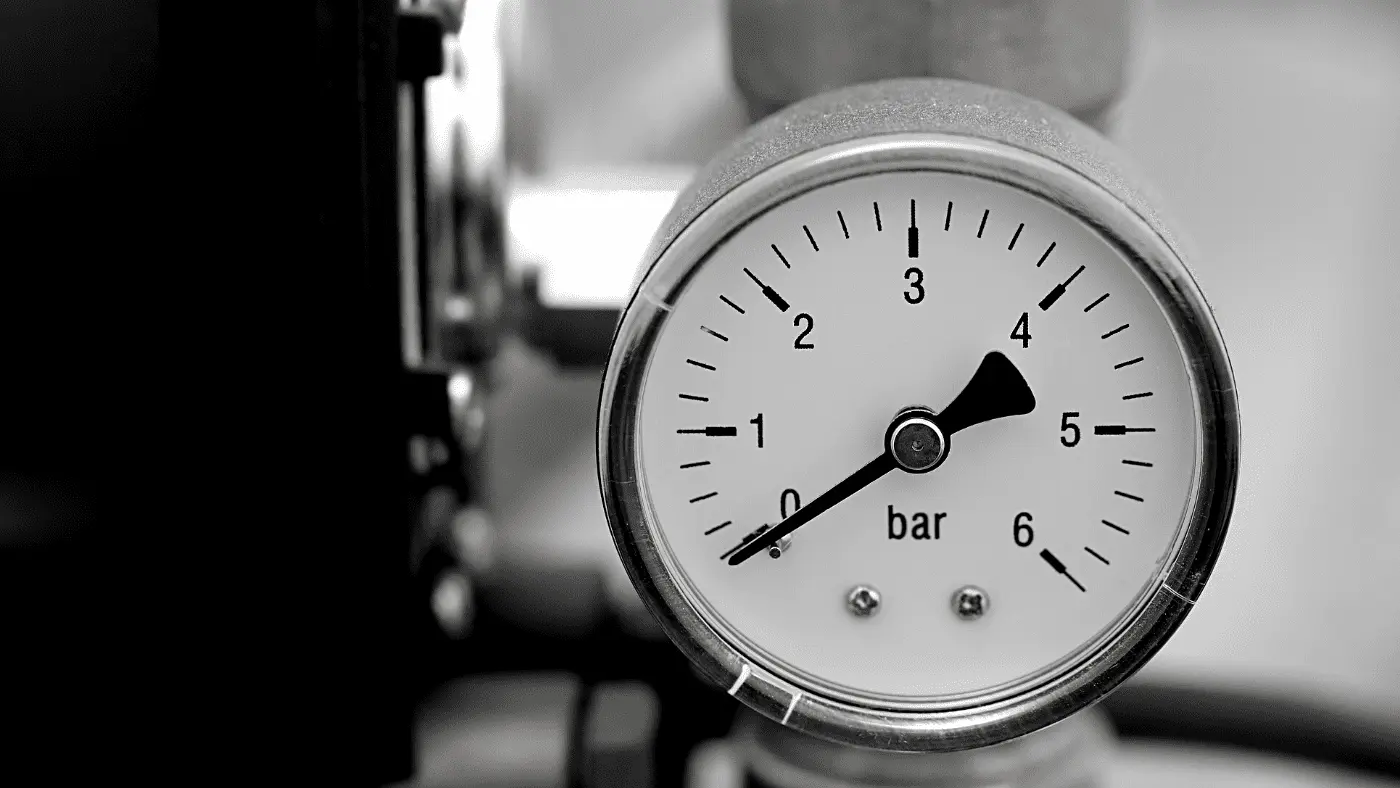
- Monitoring the output pressure at set intervals using an external pressure gauge
- Comparing the readings obtained with those specified by the manufacturer.
- Using an ultrasonic thickness gauge to check the pressure vessel’s integrity.
After completing these pressure system inspection steps, the attending dental engineer must check for leaks and record all findings in a Written Scheme of Examination (WSE).
Dental Equipment Maintenance in the UK: Critical Examinations
Under the Ionising Radiation Medical Exposure Regulations (IRMER) and Ionising Radiation Regulations (IRR17), a critical exam must be undertaken under the following schedule:
- Wall-mounted intraoral X-ray units and OPG units: At least three-yearly, whenever a major component is changed, or the machine is relocated
- Handheld intra-oral devices: Annually
- CBCT units: Annually or whenever a major component is changed. This may be extended to three-yearly if practices perform their own quality assurance checks.
Certification ensures that dental X-ray equipment is safe to use and produces accurate, high-quality images. The steps involved include:
- Pre-inspection: A Hague Dental certified engineer will assess the equipment and the location in which it will be used to ensure that it meets all the necessary safety and performance standards.
- Testing: The X-ray equipment is subjected to a range of tests to ensure that it is functioning properly, producing accurate images, and meeting all the relevant safety standards.
- Evaluation and Certification: The engineer will evaluate the results. If the X-ray equipment passes the evaluation, Hague Dental’s Radiation Protection Adviser (RPA) will issue a certificate of compliance, indicating the equipment has been certified as safe and effective.
Ensuring Compliant Dental Equipment Maintenance in the UK
Don’t struggle with hefty ad hoc repair or replacement costs when the manufacturer’s warranty runs out. Responsible practitioners contract a professional dental engineering service to ensure compliance.
Many dentists seeking dental equipment maintenance in the UK simply purchase a maintenance contract from Hague Dental Supplies. This places the responsibility for washer-disinfector and autoclave validation, suction pump maintenance and compressor servicing, and for drawing up and implementing equipment servicing schedules in the hands of an experienced engineer.
Don’t risk unscheduled downtime that could result in lost revenue and patients seeking treatment elsewhere. Play it safe. Enquire about an affordable, annual maintenance contract today.