










A well-planned practice offers far more than a smart new look; it shapes patient confidence, efficiency, and long-term value. Dental practice design can influence how smoothly your surgery runs from the handover, which is why it should be treated as a business decision, not just a decorating exercise.
Why Design Matters
Dental surgery design affects patient experience, workflow, CQC compliance, and income. A cramped, dated layout can slow staff down, create anxiety for patients and make compliance harder to maintain. A good plan should ensure privacy, smooth circulation, and a professional impression from the moment a patient walks in.
The Planning Stage
– A sound project follows a logical sequence:
– Feasibility study
– Concept design
– Planning permission, if required
– Design details
– Procurement
– Build
– Commissioning
This process helps evaluate the building, refine the brief, and avoid expensive changes halfway through. It also provides space to consider clinical needs, growth plans, and the practical details needed to turn a concept into a working practice.
Reception and Waiting Areas
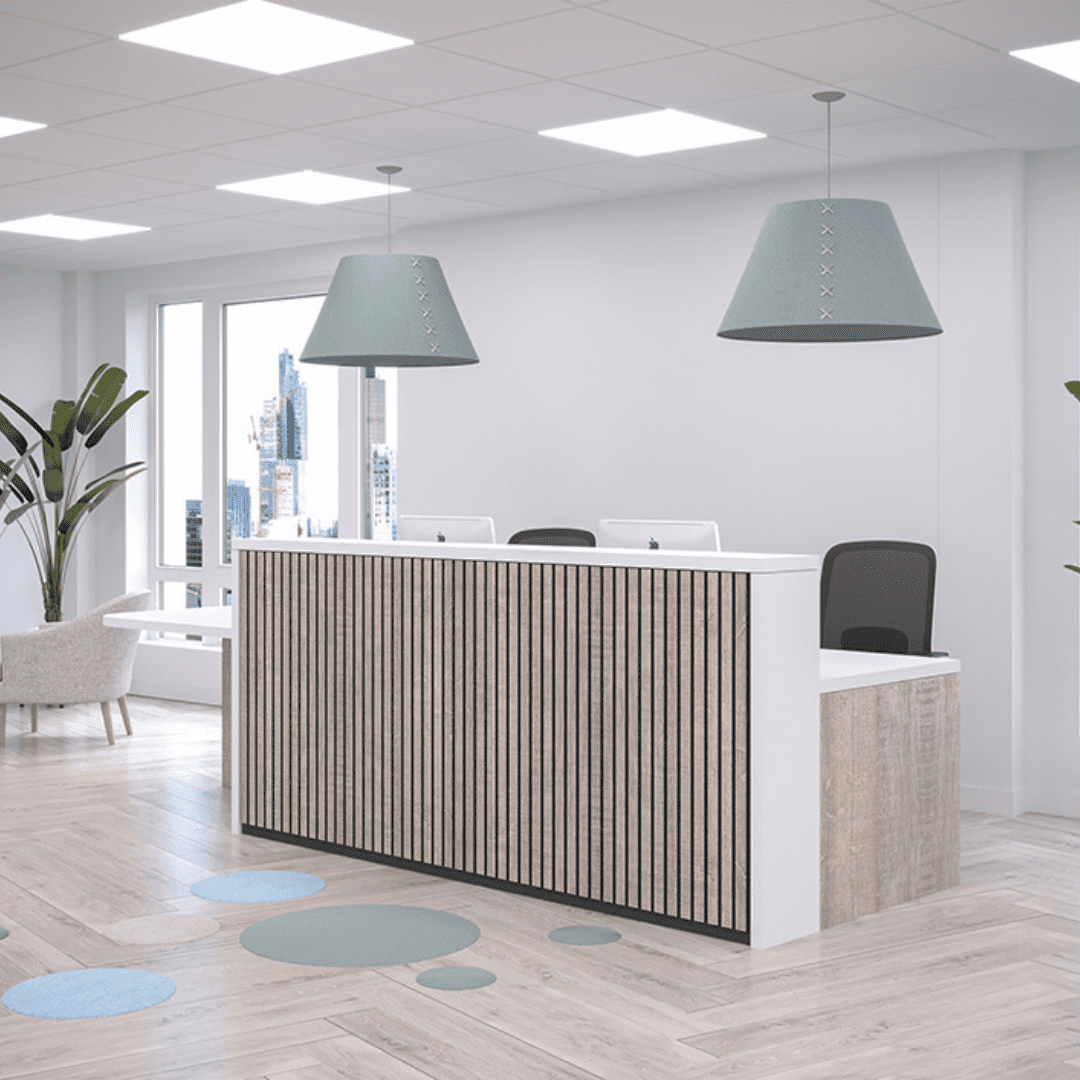
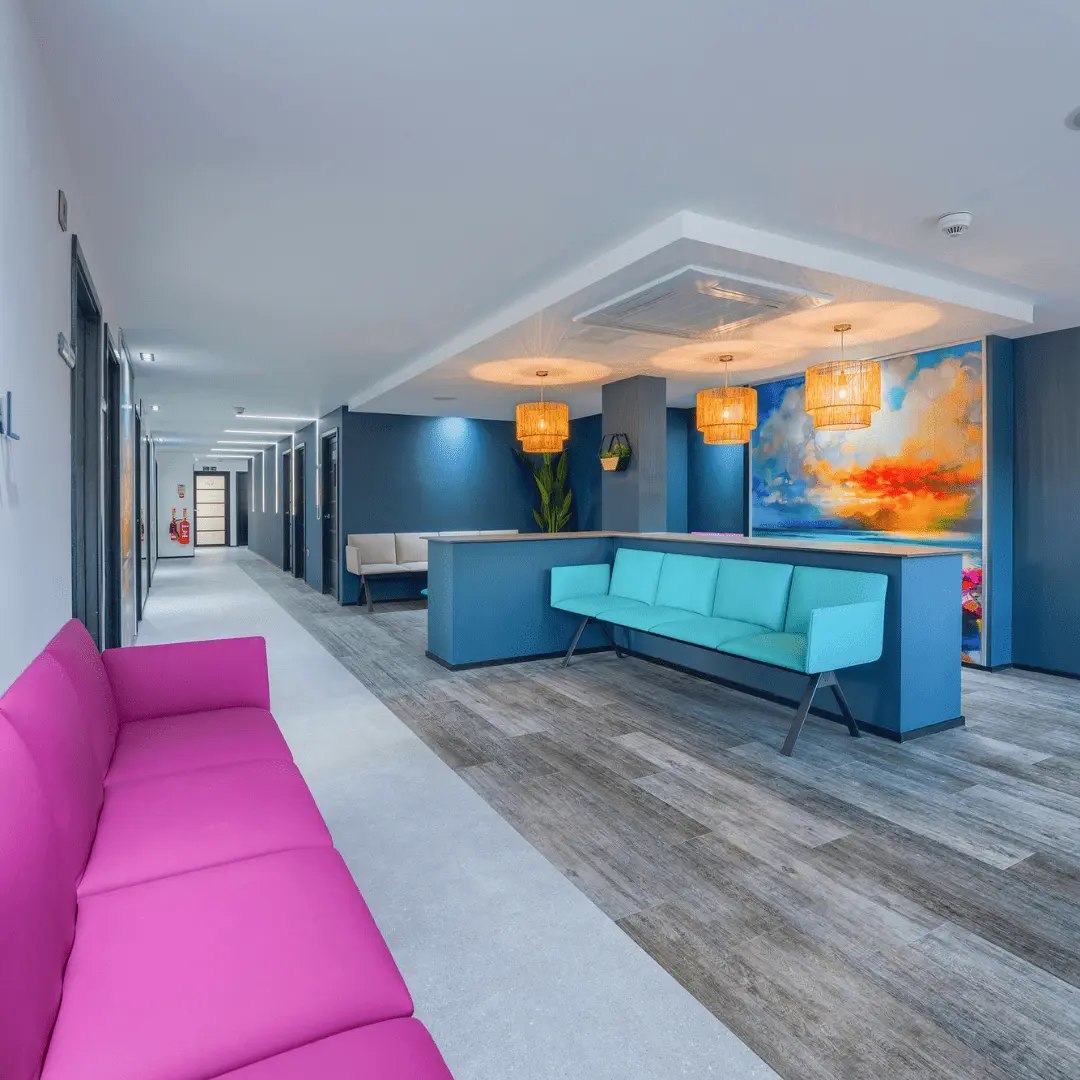
The reception area provides the patient’s first impression, so it should feel calm, organised, and easy to navigate. Clear signage, wheelchair access, and acoustics are essential, especially for anxious or hard-of-hearing patients.
Reception desk ergonomics are equally important. Your team needs a layout that supports privacy, efficient admin, and comfortable working posture.
Your dental practice layout should limit noise spill from the waiting area into clinical rooms. Small choices, such as durable finishes, discreet storage, and efficient routing, make the space feel more polished without overcomplicating the build.
Dental Practice Design Planning
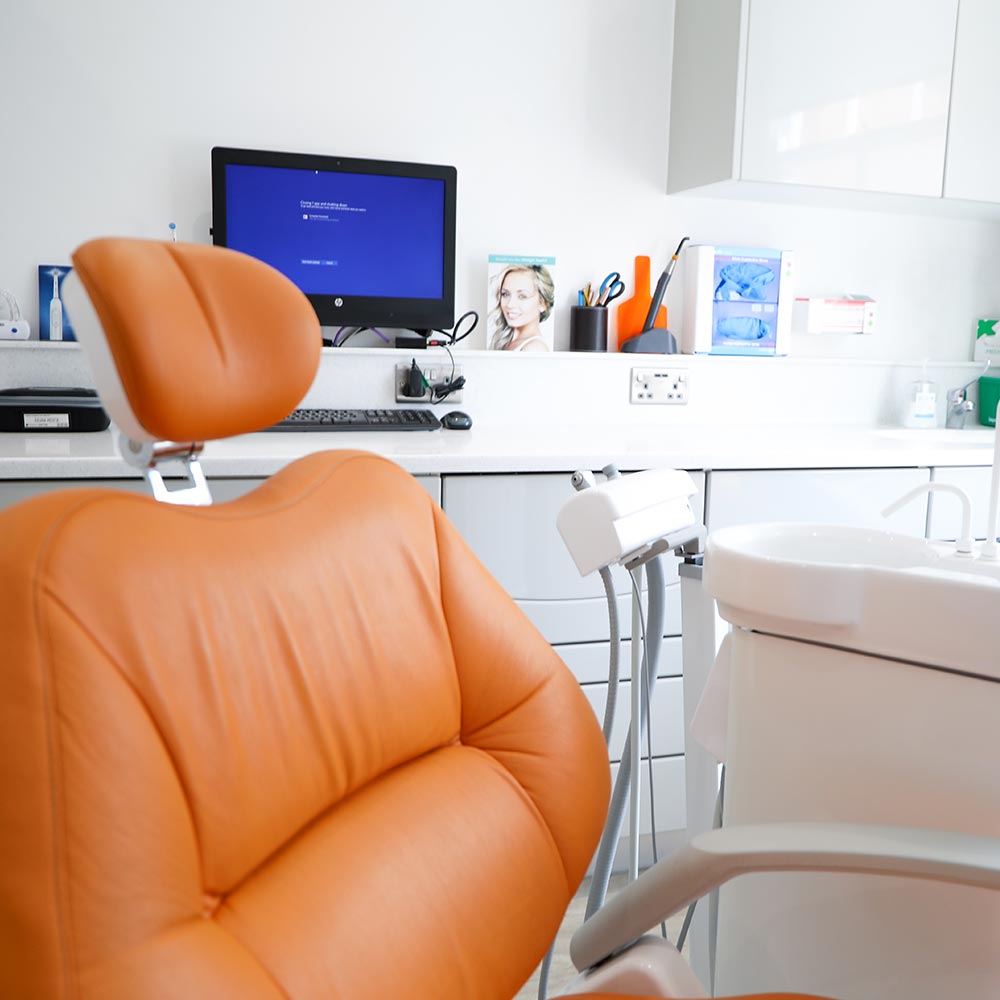
When designing a dental surgery, the aim is to combine ergonomics, infection control, and reliable services. Chair position, cabinetry, suction, plumbing, and air supplies all need to be planned together so the dentist and nurse can work naturally and safely. Lighting should balance natural daylight with clinical illumination, while surfaces need to be easy to clean and tough enough for daily use.
Decontamination and Compliance
In dental practice design, the decontamination room is vital. HTM 01-05 requires a clear separation of dirty and clean zones, logical instrument flow, suitable sinks, and properly placed washer-disinfectors, ultrasonic baths, and autoclaves. Good dental practice interior planning supports that process by keeping clutter down and making the room easy to audit.
Future-Proofing Your Dental Practice Layout
Digital dentistry is now part of everyday practice, so dental practice refurbishment projects should allow for scanners, CBCT, IT upgrades, and hidden cabling. It is cheaper and tidier to plan these from the start than to retrofit them later. If you are investing in a dental practice fit-out, modular cabinetry and flexible service runs can save disruption when technology changes.
Specialist Support
A general contractor may understand construction, but a dental specialist understands how practices function, essential when balancing regulations, equipment positioning and patient flow. The right team can also help you make sense of costs, since refurbishment budgets vary widely depending on size, condition, finish, and scope.
For UK dentists planning a new build or upgrade, smart projects make life easier for staff and patients, so contact the Hague Dental practice design team.